
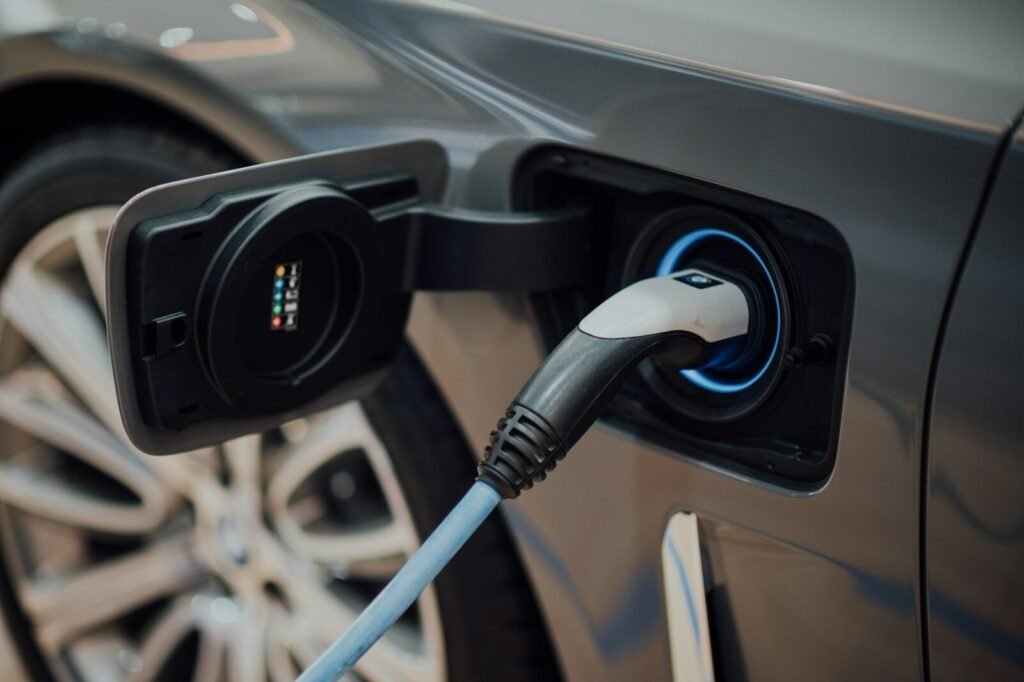
Electric vehicles have moved past the “early adopter” phase and into the mainstream — but the story of EVs keeps changing faster than most buyers can keep up. Battery tech improves, charging networks expand, prices shift, and new models arrive constantly. Here is a clear-eyed look at the state of electric vehicles this year: what actually changed, what matters for buyers, and what is still hype.
The Big Picture: EVs Go Mainstream
The most important change is also the least dramatic: EVs are normal now. They are no longer a statement purchase or a tech experiment. In many markets, electric models sit alongside gas cars on the same lots, compete on total cost, and show up in every segment from compact hatchbacks to full-size trucks. Charging stations are a common sight on highways and in city parking garages.
This normalization changes the buying conversation. The questions have shifted from “should I go electric?” to “which electric car fits my life?” — range, charging, and price for your specific driving pattern, not the technology’s viability.
What Changed This Year
Batteries: more range, faster charging
Battery energy density keeps creeping upward, which means more miles per charge from the same size pack — or the same range from a smaller, cheaper, lighter pack. Just as important, charging speeds have improved across the board: many new EVs can add a meaningful chunk of range in 15 to 20 minutes on a fast charger, turning long road trips from a planning exercise into a normal drive with coffee stops.
Battery longevity has also improved. Modern thermal management and smarter charging software mean packs degrade more slowly than the early generations, and most EVs now carry long battery warranties that reflect that confidence.
Prices are coming down
The price gap between EVs and comparable gas cars has narrowed substantially. More affordable models have arrived, battery costs continue their long decline, and the used EV market has matured — making electric driving accessible at far more budgets than a few years ago. Total cost of ownership (fuel savings plus lower maintenance) now favors EVs for many drivers even where sticker prices are close.
Charging networks got better
Fast-charging networks have expanded significantly, reliability has improved, and in many regions a shared charging standard means you are no longer locked to one network. Route-planning software built into cars and phones now handles charger stops automatically, removing one of the biggest sources of new-owner anxiety.
More choice in every segment
The model lineup has filled out dramatically: affordable commuters, family crossovers, luxury sedans, pickups, and even electric vans. Competition is fierce, which is good for buyers — more features, better warranties, and sharper pricing across the board.
Range Anxiety in 2026: Mostly Solved, Partly Mindset
For the average driver, range is no longer the barrier it was. Most new EVs offer ranges that cover a week of typical commuting on a single charge, and fast charging handles the exceptions. The remaining anxiety is largely about unfamiliarity: once drivers experience how rarely they actually need public charging — most charging happens overnight at home — the worry fades.
The honest exceptions: if you regularly tow heavy loads long distances, live somewhere with sparse charging infrastructure, or cannot charge at home or work, an EV still requires more planning. For everyone else, range is a solved problem wearing a costume.
Charging at Home vs. on the Road
Home charging is the EV superpower. A simple overnight charge on even a standard outlet (or better, a dedicated home charger) means you start every day “full” — no gas station stops, ever, in daily life. If you have a driveway or garage, this alone transforms the experience.
Public charging matters for road trips and for drivers without home charging. Fast chargers along highways now make long trips practical, and charging apps show real-time availability. The experience varies by region, so check your local network before buying — but the trajectory is clearly toward more chargers, faster speeds, and simpler payment.
What to Look for When Buying an EV This Year
Real-world range, not just the headline number. Official range figures are optimistic; highway speeds, cold weather, and heating all reduce range. Look for owner reports of real-world figures, and buy more range than you think you need — the buffer pays for itself in convenience.
Charging speed (peak and curve). A car’s maximum charging rate matters less than how long it sustains high speeds. Check independent charging-curve tests: a car that charges fast for the whole session beats one with a high peak that drops off quickly.
Battery warranty and thermal management. A long battery warranty (often 8 years or more) signals manufacturer confidence. Liquid-cooled battery packs handle fast charging and hot climates far better than air-cooled ones.
Software and updates. EVs are software products as much as cars. Over-the-air updates that add features, improve efficiency, and fix bugs are a major ownership perk — check the manufacturer’s track record for actually delivering them.
Total cost, not sticker price. Factor in electricity vs. fuel, maintenance (EVs have far fewer moving parts — no oil changes, fewer brake jobs thanks to regenerative braking), insurance, and available incentives. The math often surprises gas-car loyalists.
EV Myths That Need Retiring
“EV batteries need replacing every few years.” Modern packs typically outlast the car’s useful life for most drivers, with degradation far slower than early models.
“EVs are worse for the environment because of mining.” Lifecycle analyses consistently find EVs produce substantially lower total emissions than gas cars, even accounting for battery manufacturing — and the grid keeps getting cleaner.
“The grid can’t handle EVs.” Most charging happens overnight during low-demand hours, and managed charging programs smooth the load. It is a planning challenge, not a physics problem.
“EVs don’t work in winter.” Cold does reduce range, but heat pumps, battery preconditioning, and garaging largely mitigate it — millions of EVs operate in Nordic winters without drama.
What’s Next
The next wave is already forming: solid-state batteries promising big jumps in energy density and safety are moving from labs toward production; bidirectional charging (powering your home from your car during outages) is arriving; and EV prices are projected to keep falling as manufacturing scales. The direction of travel is unmistakable — the only real question is timing.
The Bottom Line
This year, the EV question flipped: it is no longer whether electric cars work, but which one works for you. With better batteries, broader charging networks, more models, and narrowing prices, the barriers that kept mainstream buyers waiting have largely fallen. If you can charge at home and your driving fits a modern EV’s range, there has never been a better time to make the switch.
Frequently Asked Questions
How long do EV batteries last?
Most modern EV batteries are designed to last the life of the vehicle, with manufacturers typically warranting them for 8 years or a high mileage figure. Degradation is gradual — think of it like a phone battery, but far better managed — and most owners will never need a replacement.
Is it cheaper to run an EV than a gas car?
Usually yes. Electricity costs less per mile than gasoline in most regions, and EVs need far less maintenance: no oil changes, no exhaust system, and brakes that last much longer thanks to regenerative braking. Insurance can vary, so get quotes, but total cost of ownership favors EVs for typical drivers.
Can I take an EV on a road trip?
Absolutely. Highway fast-charging networks make long trips practical, and the car’s navigation typically plans charging stops for you. Trips take slightly longer than in a gas car due to charging stops, but most drivers find the breaks pleasant rather than painful.
What if I can’t charge at home?
It is doable but less convenient. Workplace charging, public fast chargers, and curbside charging programs fill the gap in many cities. Before buying, map your realistic weekly charging routine — if it requires frequent dedicated trips to a charger, a plug-in hybrid might be the better transitional choice.
Should I buy new or used?
The used EV market is now a genuine bargain: early depreciation has made 2-to-4-year-old EVs very affordable, and their batteries typically have plenty of life left. Just check battery health reports, verify the remaining warranty, and prefer models with liquid-cooled batteries and fast-charging capability.