
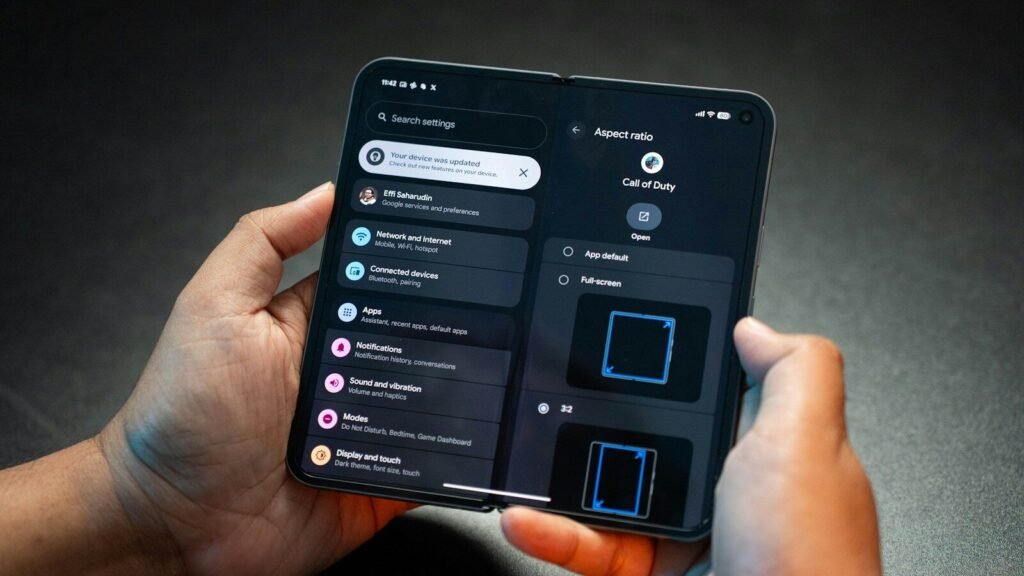
Foldable phones have been the industry’s most dramatic experiment for the better part of a decade: phones that unfold into tablets, flip phones reborn with bending glass, and price tags that made everyone wince. For years, the verdict was easy — cool technology, not ready for most people. In 2026, that verdict is finally getting complicated. Screens are tougher, hinges are more reliable, prices have crept down, and the software has caught up. So are foldables finally worth buying? The honest answer: for the right person, yes — and this guide will help you figure out if that person is you.
How We Got Here: A Quick History
The first mainstream foldables arrived with fragile plastic screens, visible creases, and durability warnings that read like medical disclaimers. Early adopters reported cracked displays, dust under the screen, and hinges that collected debris. Each generation since has chipped away at those problems: ultra-thin glass replaced plastic, hinge designs learned to sweep out dust, and water resistance — once unthinkable on a folding device — became a real spec on spec sheets.
By 2026, foldables are no longer a single fragile experiment. There are two mature form factors, multiple manufacturers competing seriously, and a meaningful secondhand market — the surest sign that a product category has grown up. What was once a curiosity for tech enthusiasts is now a genuine option sitting next to conventional flagships in carrier stores.
The Two Types of Foldables
Book-style foldables
These open like a book into a small tablet, typically unfolding to a display in the 7-to-8-inch range. They are for people who want one device that is both a phone and a tablet: reading, multitasking with two or three apps side by side, light productivity, photo editing, and media that benefits from a bigger canvas. When closed, the outer cover screen works like a regular — if slightly narrow — smartphone.
Flip-style foldables
These fold vertically into a compact square that fits anywhere, then open into a standard-size smartphone. They are for people who want a normal phone experience in a smaller pocket footprint, with a handy cover screen for quick glances, notifications, music controls, selfies with the main cameras, and tent-mode tricks for video calls and group photos.
The two types serve genuinely different buyers. Book-style devices aim to replace two gadgets; flip-style devices are simply a more pocketable, more fun phone. Knowing which camp you are in makes the buying decision much clearer.
What Got Better in 2026
Durability. Modern folding displays use ultra-thin glass with protective layers that survive daily use far better than the plastic of early generations. Hinge mechanisms are rated for hundreds of thousands of folds — far beyond what most people will do in a phone’s lifetime. Water resistance is now common on flagship foldables, and manufacturers have steadily improved dust protection around the hinge.
The crease. The visible crease where the screen folds has shrunk with each generation thanks to teardrop-style hinge designs that let the display fold with a gentler curve. It is still there if you look for it at an angle, but in normal use most people stop noticing it within days.
Battery and cameras. Early foldables compromised on both; current models carry batteries that last a full day and camera systems that are close to — though usually not quite at — the level of the best conventional flagships. Silicon-carbon battery technology has helped slim devices pack in more capacity.
Software. This was the quiet revolution. Multitasking interfaces, app continuity between cover and main screens, floating windows, drag-and-drop between apps, and tablet-optimized layouts mean the big unfolded display is now genuinely useful rather than a stretched-out phone UI. Major apps have done the work to support the form factor.
Price. Foldables are still premium devices, but prices have drifted down from the stratosphere. Flip-style models in particular now sit within reach of upper-midrange budgets, especially with carrier deals, trade-in offers, and the growing refurbished market.
The Honest Downsides That Remain
Foldables are better, not perfect. They are still thicker and heavier than equivalent slab phones — a book-style foldable is essentially two phones stacked, and you feel it in a pocket and in the hand during long reading sessions. Repairs remain expensive: replacing a folding display costs dramatically more than replacing a conventional screen, so a good case, a screen protector where applicable, and careful handling matter more here.
Cameras, while improved, typically lag a half-step behind the very best conventional flagships at similar prices — if mobile photography is your top priority, a slab flagship still wins. And while water resistance has arrived, dust resistance remains the trickier engineering challenge on a device with a moving hinge, so beach trips and construction sites still call for caution.
Finally, longevity is a reasonable question. A folding display is a more complex component than a rigid one, and while fold ratings are reassuring, these devices have not been in the field for a decade like slab phones have. Software support windows have improved, but check the promised years of updates before buying.
Foldables vs. Conventional Flagships: A Direct Comparison
Put a current book-style foldable next to a top slab phone and the trade-offs are clear. The foldable gives you a tablet-class display, genuine multitasking, and unmatched versatility; the slab phone gives you a thinner body, a better camera system for the money, cheaper repairs, and proven long-term durability. Neither is objectively better — they optimize for different things.
Against flip-style models, the comparison is simpler: you get essentially the same phone experience in half the folded footprint, plus cover-screen conveniences, at a modest premium over a comparable slab. For many buyers, that is the easiest foldable decision to justify.
Who Should Buy a Foldable in 2026?
Book-style is worth it if: you read, multitask, or work on your phone enough that a tablet-sized screen would genuinely change your day; you travel and want one device instead of a phone plus a tablet; you do a lot of document review, spreadsheets, or photo work on the go; or you simply love having the most versatile gadget in the room and accept the premium.
Flip-style is worth it if: you want a full-size smartphone that takes up half the pocket space; you take a lot of selfies and video calls (the cover screen plus main cameras is a genuinely great combo); you like the fun factor — and there is nothing wrong with that; or you want a conversation-starting design without the book-style price jump.
Stick with a conventional phone if: you want the absolute best camera for the money, you are rough on phones and dread repair bills, you prioritize thin-and-light above all, you keep phones for four-plus years and want the most proven hardware, or your budget is tight — a midrange slab still delivers more value per dollar.
Buying Tips
If you decide to go foldable, buy from the current or previous generation — the year-over-year improvements have been real, and older models lack meaningful durability gains. Check the warranty terms specifically for the folding display, and consider whether your carrier or retailer offers accidental-damage coverage; given repair costs, it is more worthwhile here than on a normal phone.
Handle the phone in a store first: the weight and thickness surprise some buyers, and the unfolded aspect ratio is not for everyone. Also consider the refurbished market, which has matured nicely for foldables. A certified refurbished model from the previous generation can deliver most of the experience at a much friendlier price — just confirm the battery health and hinge warranty terms.
The Bottom Line
In 2026, foldable phones have crossed the line from “impressive demo” to “legitimate choice.” They are tougher, more useful, and more affordable than ever, and for multitaskers, readers, travelers, and compact-phone lovers they offer something no slab phone can. They still demand a premium and a bit more care — but for the first time, recommending one does not require a list of apologies. If the use case fits your life, foldables are finally worth it.
Frequently Asked Questions
How long do foldable phone screens last?
Manufacturers rate modern hinges and folding displays for hundreds of thousands of folds, which translates to many years of normal use. Real-world longevity keeps improving, but the folding display remains the most expensive component to replace, so insurance or accidental-damage coverage is wise.
Is the crease still visible?
Slightly, at certain angles and lighting. In everyday use, most owners report that they stop noticing it quickly. It is far less prominent than on early generations.
Are foldables water resistant?
Many current flagship foldables carry real water-resistance ratings, a huge improvement over early models. Dust resistance is still limited by the hinge design, so check the specific rating of the model you are considering.
Do all apps work on the unfolded screen?
The vast majority do, and major apps increasingly offer tablet-style layouts on book-style foldables. Occasional apps still display in stretched phone mode, but this is much rarer than it used to be.
Should I buy new or refurbished?
Certified refurbished foldables from the previous generation are one of the smartest buys in phones right now, provided the seller warranties the hinge and display. You get nearly all of the experience at a significantly lower price.